Meghatározás
Microbiologically Induced Corrosion - MIC
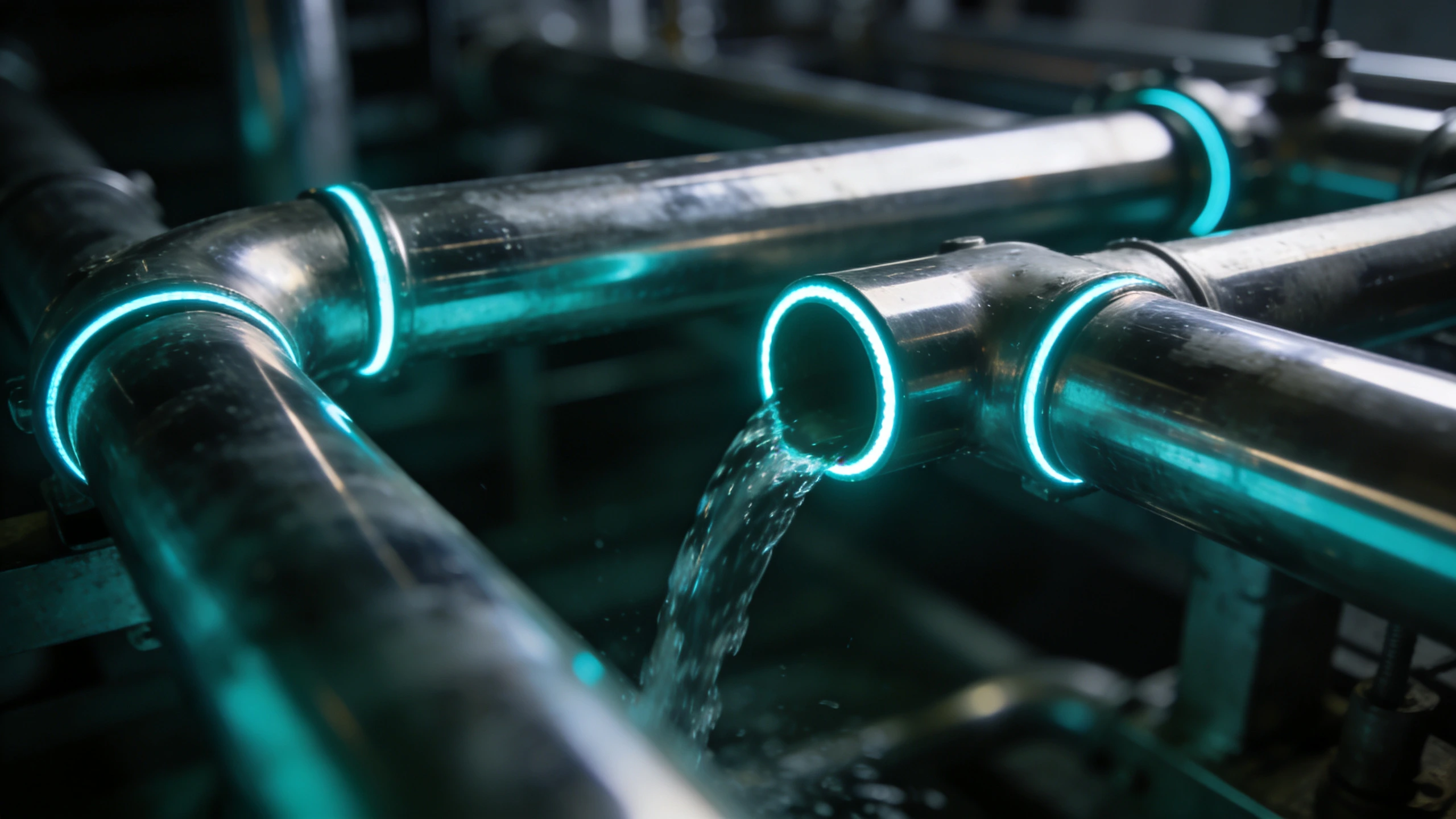
Microbiological Influenced Corrosion (MIC) describes the corrosion of surfaces caused by microorganisms including bacteria, fungi, yeasts and algae, also called biocorrosion. Aerobic and anaerobic bacteria found in installation fluids produce acids or sulfuric acid salts as metabolic waste products, causing corrosion on pipe interiors and metallic surfaces. This can result in pitting or leaks, reducing component service life.
The problem intensifies when bacteria form biofilms that settle permanently rather than flowing away with liquid. These biofilms create protective habitats where acids concentrate at specific points, causing localized pipe damage. Sulfate-reducing bacteria (desulfurizers) are among the most problematic organisms, converting sulfate to hydrogen sulfide. Treatment involves removing biofilms and microorganisms from pipes to resolve corrosion issues and prevent further deterioration.