定义
What causes Fouling?
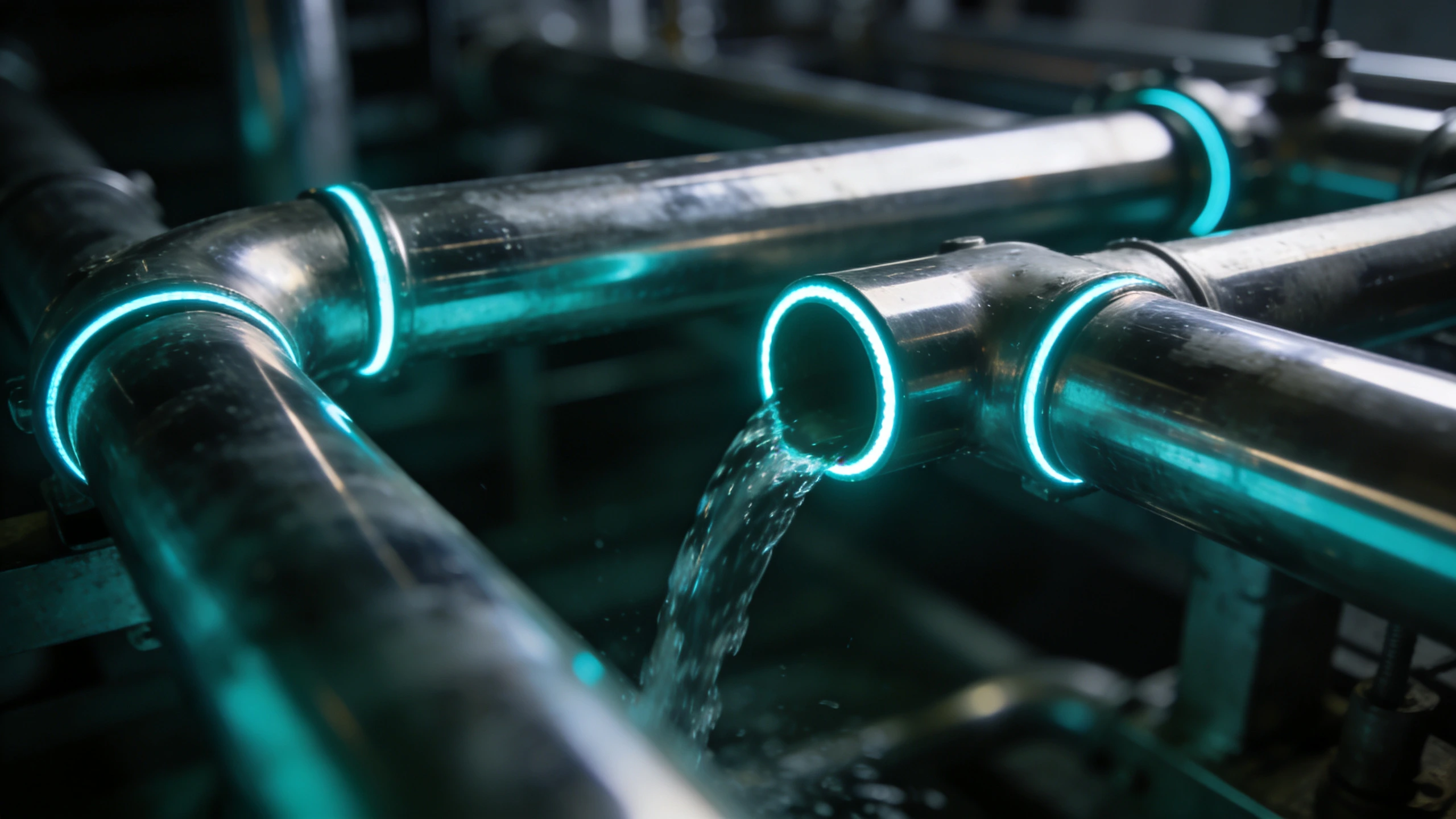
Fouling stands in technical applications for the unwanted growth or formation of deposits on surfaces occurring inside pipes, machines or heat exchangers. Substances responsible for fouling may already be dissolved in liquids, such as calcium carbonate and salts in water, or paraffin in crude oil, or solids may be introduced from outside sources like sand, mud, or organic material, particularly when using well water or water from lakes or the sea.
When fouling is present, corrosion can arise as a side effect. Pipes and systems become covered with deposits over time, reducing pipe cross-section and impeding flow and heat transfer. Mineral fouling creates hard crusts of lime or similar deposits, while organic material forms biofilm leading to biofouling, barnacles, or mussels in seawater. Corrosion occurs because deposits often contain stagnant water causing outgassing-related corrosion, or in biofouling cases, organisms responsible for microbiologically induced corrosion (MIC).